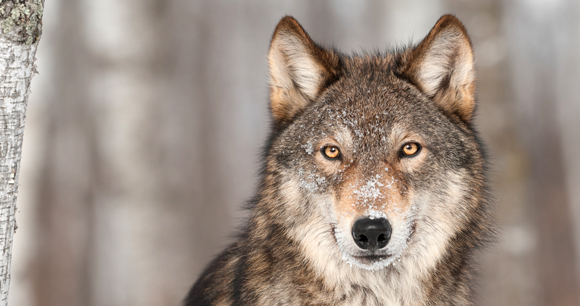
Wolves have long fascinated humans with their intelligence, complex social structures, and eerie howls that echo through the wilderness. One of the most captivating aspects of their behavior is how they communicate. In the wild, wolves live and hunt in close-knit packs, and their survival depends on clear, effective communication. Unlike humans, they don’t use spoken language. Instead, they rely on a sophisticated system of vocalizations, body language, facial expressions, and scent marking to convey messages, emotions, warnings, and social status.
Understanding how wolves communicate not only deepens our appreciation of these incredible animals but also helps wildlife biologists monitor their behavior and develop conservation strategies. Let’s explore the fascinating world of wolf communication and the many ways these majestic predators interact with each other in the wild.
Vocal Communication
The most iconic sound associated with wolves is the howl. But wolves use a wide variety of vocalizations, each with its own purpose and meaning. These sounds are used to maintain pack unity, establish territory, coordinate hunting, and express emotions.
Howling
A wolf’s howl can travel several miles across open terrain and is typically used for long-distance communication. Howling helps pack members find each other if they’re separated, reinforces social bonds, and warns rival packs to stay away. Sometimes, an entire pack will join in a group howl, which strengthens unity and advertises their presence to outsiders.
Interestingly, each wolf has a slightly different howl, allowing individual wolves to recognize one another by sound. Contrary to popular belief, wolves don’t howl at the moon. They often howl at night because it’s cooler, quieter, and their vocalizations carry farther.
Barking and Growling
While howling is used at a distance, barking and growling are more common during close interactions. Barking may serve as an alarm signal or a warning, particularly if a wolf feels threatened or is trying to defend territory or pups. Growling often conveys aggression or dominance, especially during conflicts over food or rank.
Whining and Whimpering
These softer vocalizations are typically heard among pack members in intimate situations. Pups often whine when they want attention or food. Adult wolves may whimper to show submission or affection. These sounds help reinforce social bonds and soothe tension within the pack.
Body Language
Wolves are masters of nonverbal communication. Their posture, movements, and physical gestures convey a wide range of messages. Body language is especially important in pack dynamics, where understanding dominance, submission, and mood is essential for maintaining harmony.
Dominant Posture
The alpha or dominant wolf in a pack often holds its head and tail high, stands tall, and makes direct eye contact. This posture asserts authority and reminds lower-ranking wolves of their place in the social hierarchy.
Submissive Posture
In contrast, a submissive wolf lowers its body, tucks its tail between its legs, and avoids direct eye contact. It may lick the dominant wolf’s muzzle or lie on its back to expose its belly—an extreme sign of submission that signals, “I’m no threat.”
Tail Position
A wolf’s tail acts like a social barometer. A raised, stiff tail can indicate dominance or aggression, while a lowered or tucked tail signals submission or fear. When a wolf wags its tail loosely and holds it at a mid-level height, it usually means the wolf is relaxed and friendly.
Facial Expressions
Wolves use their facial muscles to express emotions just like dogs do. A raised lip with exposed teeth may indicate aggression, while a relaxed mouth or tongue hanging out signals calmness. Wolves also use ear position to communicate—ears forward mean alert or aggressive, while ears pulled back often indicate fear or submission.
Touch and Physical Interaction
Physical contact plays a big role in maintaining bonds within a wolf pack. These interactions are especially important between pups and adults, as well as between mates and siblings.
Muzzle Licking
One of the most common forms of affectionate touch is muzzle licking. Pups instinctively lick the muzzles of adult wolves to stimulate them to regurgitate food, but the behavior also continues into adulthood as a sign of respect and bonding.
Play Behavior
Play is crucial for social development in young wolves. It teaches them important social cues and boundaries. Play behaviors include chasing, wrestling, bowing, and gentle biting. Even adults engage in playful behavior to strengthen social ties and relieve tension.
Sleeping Together
Wolves often sleep in close contact, especially in colder climates. This not only helps keep them warm but reinforces a sense of closeness and trust among pack members.
Scent Communication
Perhaps the least visible but most vital method of communication among wolves is scent. Wolves have an extraordinary sense of smell, and they use it to gather information about their environment, other animals, and each other. Scent marking plays a critical role in territory defense and pack identity.
Urine Marking
Wolves use urine to mark their territory. These scent marks are left on rocks, trees, and along trails. The chemical makeup of the urine can convey information such as the wolf’s identity, reproductive status, and when the mark was left. This helps avoid direct conflict between rival packs by warning others to stay away.
Anal Gland Secretions
Wolves also use scent glands located near the anus to leave behind powerful scent markers. These are often deposited during defecation in specific areas, reinforcing territorial boundaries and pack presence.
Social Scent Recognition
Within the pack, wolves can identify each other by scent. This helps with recognition and plays a role in social bonding. A simple sniff can tell a wolf if another is stressed, healthy, or in heat.
Coordinated Hunting and Communication
Wolves are highly social hunters and rely on communication to successfully take down prey. During a hunt, they use subtle vocalizations, body signals, and coordinated movement to work as a team. While much of this communication happens intuitively, it demonstrates the deep understanding and cooperation within a pack.
Each member plays a role during the hunt—some chase, others flank or block escape routes. Wolves adjust their strategy depending on the terrain, type of prey, and size of the pack. This level of coordination wouldn’t be possible without strong, clear communication.
Communication with Pups
Pup-rearing is a communal effort, and adult wolves use communication to teach, guide, and protect their young. Pups learn social behavior by observing adults and participating in the pack’s daily routines. Vocal cues, body language, and playful interaction all help pups understand their place in the pack and the skills they need to survive.
As pups grow, they begin practicing howling, mimicking adult behavior, and learning the pack’s communication system. The entire pack contributes to their education, ensuring the young wolves are well-equipped for adult life.
Final Thoughts
Wolves are far more than fierce predators—they are intelligent, sensitive, and deeply social animals. Their communication system is complex and multi-layered, combining sound, movement, scent, and touch to navigate the challenges of life in the wild.
Understanding how wolves communicate gives us a deeper insight into their behavior, their relationships, and their role in nature. It also reminds us that these creatures, often misunderstood or feared, have rich emotional lives and intricate social structures much like our own.
As apex predators and keystone species, wolves play a vital role in maintaining healthy ecosystems. By learning more about how they live and interact, we not only appreciate them more—we also recognize the importance of protecting their habitats and ensuring their survival for future generations.