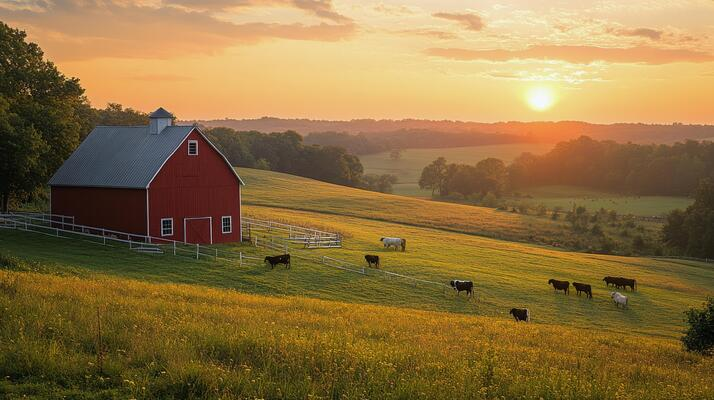
As the sun peeks over the horizon and bathes the countryside in golden light, life on a modern farm begins well before most people hit the snooze button. While technology has brought efficiency and innovation to farming, the heart of it remains unchanged: it’s about caring for the land and the animals. Nowhere is this more evident than inside the barn.
The barn is the epicenter of activity on a modern farm. It’s where the animals are sheltered, fed, milked, groomed, and sometimes even born. While the stereotypical red barn still exists in many places, today’s barns are often larger, smarter, and more specialized, integrating equipment and technology that make daily chores more efficient and animal care more precise.
Let’s take a walk through a typical day in the barn on a modern farm and see what life is really like behind those big doors.
Early Morning: The Day Begins
The barn wakes with the farm. Around 5:00 or 6:00 a.m., farmers start their day. The first order of business is usually feeding the animals. Whether it’s dairy cows, goats, pigs, or chickens, each group has its own dietary needs and feeding schedules.
Modern barns are often equipped with automated feeders and watering systems that dispense precise portions of food and fresh water. For dairy cows, this might include a mix of silage, hay, grains, and supplements designed to optimize milk production and health.
Although machines help with feeding, human oversight is key. Farmers walk through the barn, checking on each animal to ensure they’re eating, moving well, and showing no signs of illness. They’ll look for alertness, clear eyes, and healthy coats. A good farmer can spot subtle signs of trouble before they become major issues.
Morning Milking: Technology Meets Tradition
For dairy farms, milking is the centerpiece of the morning routine. In traditional barns, cows were milked by hand or with basic milking machines. In modern facilities, automated milking parlors or robotic milking systems do much of the work.
Cows voluntarily walk into robotic milking stations where they are identified by an electronic tag. The machine cleans the udder, attaches the milking cups, and monitors milk quality and quantity in real-time. If anything seems off, the system alerts the farmer immediately.
Despite all this technology, the bond between farmers and cows is still personal. Cows are creatures of habit and respond to calm, familiar environments. Farmers know their animals by name or number and can often tell when a cow is off just by her behavior or how she walks.
Mid-Morning: Cleaning and Maintenance
Cleanliness is a top priority in modern barns. After feeding and milking, the next task is cleaning the stalls, sweeping the aisles, and maintaining hygiene. Manure is cleared using automated scrapers or by hand, depending on the setup. Waste is often collected and used in composting or biogas systems, reducing environmental impact and returning nutrients to the land.
Water troughs and feeding areas are scrubbed, bedding is refreshed with straw or sawdust, and equipment is checked for wear or damage. Clean barns mean healthier animals, fewer infections, and more comfortable living conditions.
Veterinary care may also take place during this time. Regular health checks, vaccinations, hoof trimming, and pregnancy checks are scheduled to keep the animals in peak condition. On larger farms, a veterinarian may visit weekly or be on staff full-time.
Late Morning: Specialized Tasks and Chores
Once the routine chores are complete, attention shifts to the specific needs of the animals or the season. For example, in a dairy barn, this could be calving season, when new calves are born. Special pens are set up for expectant cows, and staff may monitor them closely around the clock.
Newborn calves require warmth, colostrum (nutrient-rich first milk), and close observation in their first few days. Farmers or caretakers bottle-feed them and track their health carefully to ensure a strong start.
On farms with chickens, this time may involve egg collection, sorting, and cleaning. In barns with pigs, it may be farrowing (birthing) time, which requires careful assistance and monitoring of mother pigs and their piglets.
In some barns, this part of the day also includes maintaining farm machinery, repairing fences, or preparing for upcoming weather changes. Farming is a business that never stops, and flexibility is key.
Afternoon: Quiet Time and Data Monitoring
As the day progresses, the barn becomes quieter. Animals rest, chew cud, or nap in their stalls or pens. This downtime is important, especially for dairy cows, as rest contributes to healthy digestion and milk production.
Meanwhile, farmers often turn to technology to analyze data collected throughout the day. Sensors in the barn track temperature, humidity, milk yield, feeding habits, and movement. These metrics are reviewed using smartphones or computers to adjust routines, identify concerns, or spot opportunities for improvement.
On many modern farms, smart systems can control ventilation, lighting, and climate inside the barn to ensure comfort. Fans, curtains, and misters are automatically activated based on temperature and humidity levels, preventing heat stress and disease.
Late Afternoon: Second Feeding and Evening Milking
By late afternoon, it’s time for a second round of feeding and, for dairy operations, another milking session. Cows are brought into the parlor or go to the robotic stations again. Just like in the morning, the focus is on cleanliness, efficiency, and gentle handling.
Pigs, chickens, and other animals are also fed again. Farmers take this time to do another visual health check and to ensure all systems are functioning properly before nightfall.
Before evening ends, farmers may spend time grooming animals, especially on show farms or small family farms where animals are raised for competition or breeding. Grooming isn’t just cosmetic—it helps improve skin and coat health, and gives farmers more one-on-one time with each animal.
Evening: Final Rounds and Locking Up
As the sun dips below the horizon, farmers do their final walkthrough of the barn. They check water levels, refill feeders if needed, and make sure all animals are safe and secure. If any animal seems ill or distressed, it may be separated for special care or monitored overnight.
Lights are often dimmed in the barn to simulate natural dusk, helping the animals wind down. Some barns play soft music or white noise to create a calm, relaxing atmosphere. On high-tech farms, cameras and sensors will continue monitoring throughout the night, sending alerts to the farmer’s phone if anything unusual happens.
More Than a Job: A Way of Life
Spending a day in a modern barn shows how much work, care, and technology goes into farming today. While automation has made many tasks easier, it hasn’t replaced the dedication and intuition of the farmers. Every decision made in the barn—what to feed, when to treat, how to house—is rooted in respect for the animals and commitment to their welfare.
Modern barns reflect the future of farming: smart, efficient, and humane. They’re places of hard work and constant motion, but also of quiet connection between people and animals. For many farmers, it’s not just a workplace—it’s where life happens, day in and day out, season after season.
Whether you grow up on a farm or just pass one by on a country road, it’s worth remembering that behind every gallon of milk, dozen eggs, or package of meat, there’s a barn full of animals—and people—working in harmony to keep the world fed.