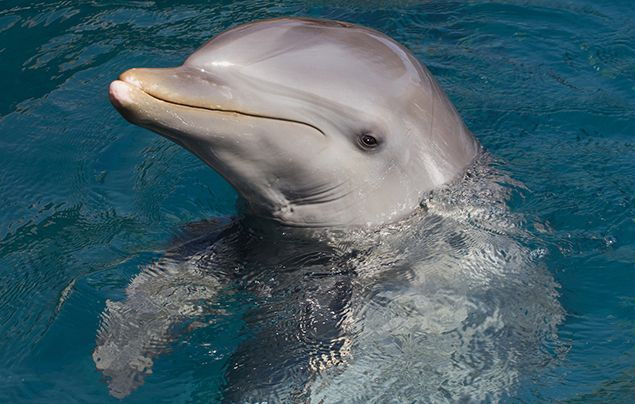
Dolphins are among the most intelligent and captivating creatures in the ocean. Their sleek bodies, playful nature, and social behaviors have fascinated humans for centuries. One of the most remarkable abilities that dolphins possess, which allows them to thrive as hunters in the underwater world, is their use of echolocation—a biological sonar system that enables them to “see” with sound. This incredible skill allows dolphins to locate, track, and capture prey in the often murky, dark, or complex underwater environment where vision alone would not suffice.
In this article, we’ll dive deep into how dolphins use echo to hunt, explore the science behind echolocation, and discover the strategies dolphins employ to be such successful predators.
What Is Echolocation?
Echolocation is a sensory mechanism in which animals emit sound waves and listen for the echoes that bounce back from objects in their environment. By analyzing the time it takes for the echoes to return and the quality of the returning sound, animals can determine the size, shape, distance, speed, and even texture of objects around them.
While echolocation is famously used by bats in the air, dolphins and other toothed whales have evolved this ability to navigate and hunt underwater. Unlike light, which is quickly absorbed by water and limits vision, sound travels much farther and faster underwater, making echolocation the perfect tool for aquatic hunters.
How Dolphins Produce and Receive Echolocation Clicks
Dolphins produce echolocation sounds called clicks using specialized structures in their nasal passages located just below the blowhole. The clicks are highly focused and emitted in rapid sequences or bursts. These high-frequency clicks travel through the water until they hit an object, such as a fish or a rock, and then bounce back as echoes.
One fascinating aspect of dolphin echolocation is the role of the “melon,” a fatty, rounded structure on the dolphin’s forehead. The melon acts like an acoustic lens, focusing and directing the sound waves into a precise beam. This allows the dolphin to “shine a spotlight” of sound ahead of it.
When the echoes return, they are received primarily through the dolphin’s lower jaw, which contains specialized fat deposits that conduct sound to the middle ear. This unique anatomical adaptation allows dolphins to hear the returning echoes with remarkable sensitivity and detail.
Interpreting the Echoes
Once the echoes reach the dolphin’s inner ear, the auditory signals are sent to the brain, where sophisticated processing occurs. Dolphins have an extraordinary ability to analyze the echoes’ timing, intensity, and frequency changes to build a mental image of their surroundings. This “acoustic picture” helps them distinguish between prey, obstacles, and other objects.
By interpreting the echoes, dolphins can detect the size and shape of a fish, its distance, and even how fast it is swimming. This is crucial for tracking fast-moving prey and making split-second decisions during a hunt.
Hunting Strategies Using Echolocation
Dolphins don’t just rely on echolocation passively; they use it actively and strategically during hunting. Here are some ways dolphins incorporate echo into their hunting techniques:
1. Searching and Locating Prey
Dolphins often hunt in murky waters or at night when visibility is poor. Echolocation allows them to locate prey hidden in sand, mud, or dense vegetation. By sending out clicks and listening for echoes, they can map the environment around them and find fish even when they can’t see them.
2. Herding and Corralling Fish
Many dolphin species hunt cooperatively in groups called pods. Using echolocation, they locate schools of fish and coordinate their movements to herd or corral the prey into tight groups. This makes it easier to capture multiple fish with less effort.
3. Stun or Surprise Tactics
Some dolphins use rapid sequences of clicks or loud bursts of sound to confuse or stun prey. While not fully understood, it’s believed that the sudden noise disrupts the fish’s sensory systems, making them easier to catch.
4. Precision Strikes
Once a dolphin narrows down the location of a fish, it can use echolocation for precise targeting. The focused sound beam and detailed echo information allow the dolphin to strike quickly and accurately, often snapping up prey in a single attempt.
Examples of Dolphin Echolocation in Action
Several species of dolphins demonstrate remarkable echolocation abilities. The bottlenose dolphin (Tursiops truncatus) is perhaps the best studied. Researchers have observed how bottlenose dolphins adjust the rate and intensity of their clicks as they approach prey, a behavior known as a “buzz.” During this final phase of hunting, clicks become very rapid, providing highly detailed information about the prey’s location.
Another example is the Amazon river dolphin (Inia geoffrensis), which lives in the murky rivers of South America. These dolphins rely heavily on echolocation to navigate flooded forests and find fish hiding among submerged branches and roots.
Beyond Hunting: Echolocation for Navigation and Communication
While hunting is a primary use of echolocation, dolphins also use this biological sonar for navigation and social interactions. In the often complex underwater environment filled with obstacles like rocks, vegetation, and other animals, echolocation helps dolphins avoid collisions and find safe routes.
Some studies suggest dolphins may also use variations of echolocation clicks as a form of communication within their pods, possibly conveying information about identity, location, or mood.
The Evolutionary Advantage
The evolution of echolocation has given dolphins a tremendous survival advantage in the ocean. By compensating for the limited range of vision underwater, echolocation allows dolphins to be highly efficient hunters in diverse environments—from shallow coastal waters to deep offshore zones.
This ability to detect prey quickly and precisely means dolphins expend less energy chasing food, increasing their chances of survival and reproduction.
Human Innovations Inspired by Dolphin Echolocation
Dolphin echolocation has also inspired human technology. Sonar (Sound Navigation and Ranging) systems, used in submarines and underwater navigation, are modeled after biological sonar principles. Understanding dolphin echolocation helps scientists develop better sonar equipment and contributes to marine conservation efforts by providing insights into how human-made noise pollution affects marine mammals.
Challenges Dolphins Face
Despite their remarkable adaptations, dolphins face growing challenges in the wild. Pollution, habitat destruction, fishing nets, and noise pollution can disrupt their echolocation abilities and threaten their survival. Conservation efforts aim to protect these incredible creatures and their habitats so that they can continue to thrive.
Final Thoughts
Dolphins’ use of echolocation is a stunning example of nature’s ingenuity. This biological sonar system transforms the underwater world into an acoustic landscape, allowing dolphins to navigate, communicate, and hunt with incredible precision. Next time you see a dolphin leap from the waves, remember the sophisticated sensory technology hidden behind those playful eyes—a technology honed by millions of years of evolution, enabling dolphins to be the ocean’s master hunters.